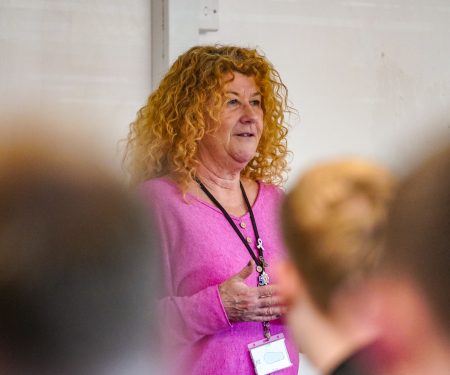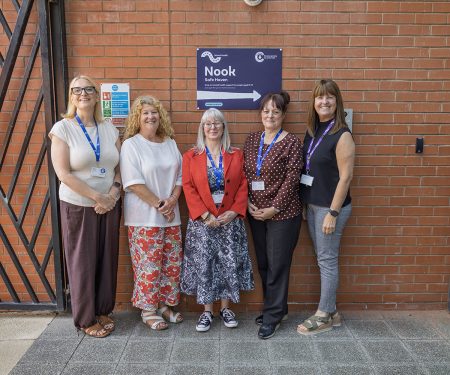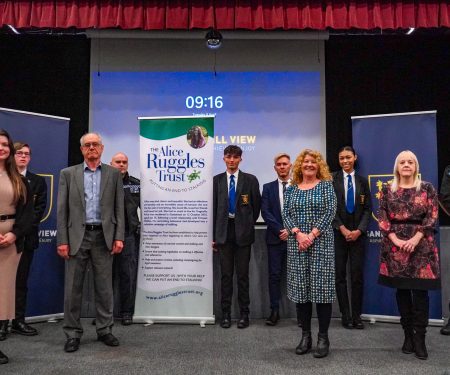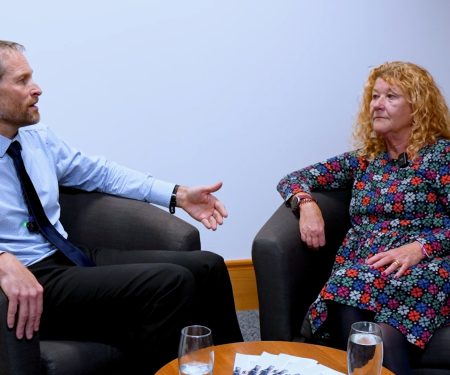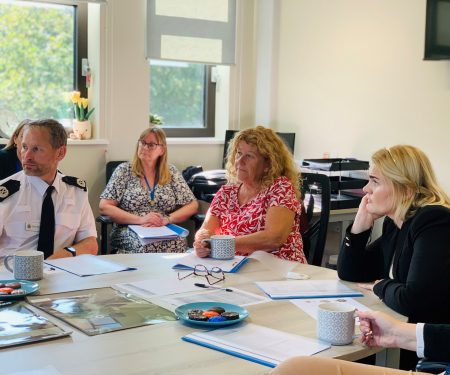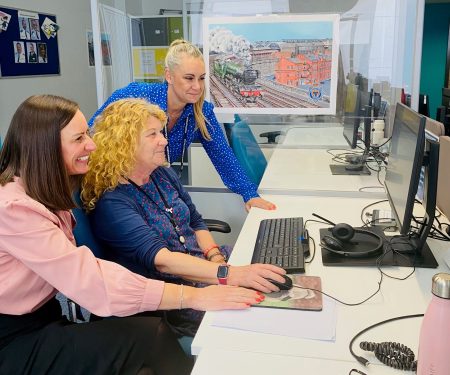
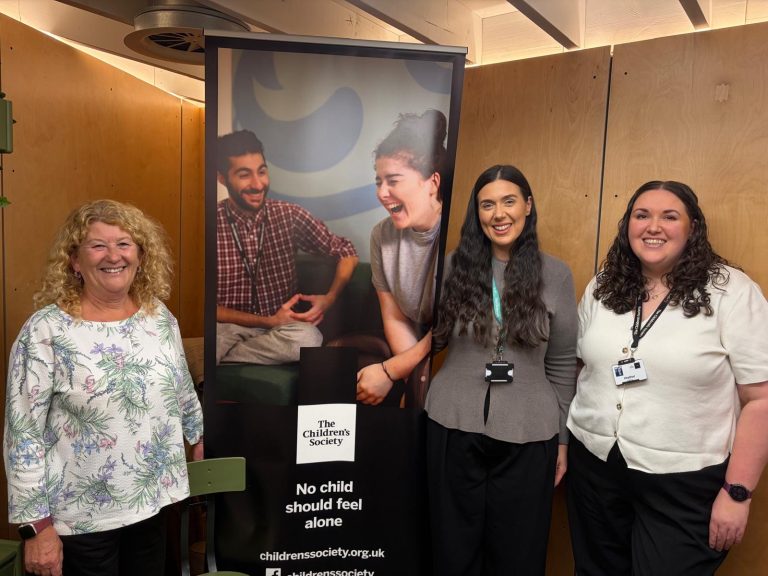
Northumbria Police and Crime Commissioner Susan Dungworth has visited a Newcastle service supporting vulnerable children and young people across the North East to see first-hand the impact of its work.
The commissioner met with practitioners from The Children’s Society, which provides support to children and young people experiencing, or at risk of, serious hardship, including exploitation, abuse and poor mental health.
During the visit, she heard how the charity is helping young people across Gateshead, Newcastle, North Tyneside, South Tyneside, Sunderland and Northumberland before issues reach crisis point.
Northumbria Police and Crime Commissioner, Susan Dungworth, said: “The Children’s Society covers a very important area of work for us – supporting children and young people who have been victims of exploitation or are at risk of being – and so I welcomed the opportunity to hear more about young people’s struggles and experiences today. My office commissions the delivery of a range of services to meet individual needs whether that’s structured one to one support, group sessions or bespoke expertise and resources. When children go missing it can be for all manner of reasons and they can be exposed to all sorts of risks, harm and criminality, and I am grateful we have The Children’s Society to provide specialist services to help disrupt exploitation and safeguard vulnerable children and young people in our area.”
Ellie Fairgrieve, Head of Young People’s Services in Northern England for The Children’s Society, said: “The funding our service receives from the PCC is vital in supporting young people and it has been a pleasure to demonstrate the real impact it has. We are extremely proud of the work our team does to improve the lives of children in the North East before they reach crisis-point. Teenagers in the region are battling many hidden challenges, with mental health, the risk of exploitation and abuse, and overstretched children’s services being among the most pressing. Our service benefits from having been in the region for so long, allowing us to use local knowledge to build well-informed safeguarding plans for young people.”
ends