11th December 2025
ASB and crime
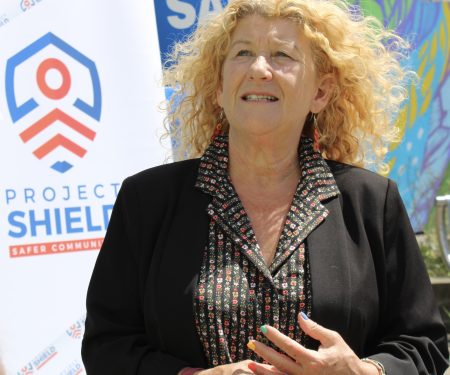
“Our mission to tackle ASB is working” says PCC as Project Shield areas see 32% fall

0191 2219800
enquiries@northumbria-pcc.gov.uk
As this year’s 16 Days of Activism to end gender-based violence continues, Police and Crime Commissioner Susan Dungworth is calling on more schools to make use of Pol-Ed, a suite of educational resources covering a wide range of important topics.
Thanks to continued funding from the Northumbria Violence Reduction Unit, the programme is available free of charge and already adopted by 81% of schools from across the force area, reflecting a growing demand for more preventative education.
Pol-Ed provides teachers with a powerful tool to address behaviours, pressures, and risks that can contribute to violence against women and girls, with lessons covering the law, consent, red flags in relationships, online safety, sexism, and more.
The programme equips students from primary and secondary school education with the knowledge, skills and confidence to make informed, positive choices in their everyday lives.
It encourages open and honest discussions, helps break down barriers, challenges misconceptions, and supports practitioners in identifying those at risk earlier, ensuring support is available when it’s needed most.
More than 417,530 students across the region have now taken part in this innovative educational programme. Developed by West Yorkshire Police in partnership with teachers, Pol-Ed helps young people better understand the law, build healthy relationships, and stay safe from harm.
The initiative complements the wider awareness work delivered by the Northumbria Violence Reduction Unit and Northumbria Police Education Teams, ensuring young people not only recognise the risks associated with gender-based violence, but also feel empowered to seek help when they need it.
Calling on more schools to use the Pol-Ed resources to help prevent violence against women and girls, Northumbria Police and Crime Commissioner, Susan Dungworth said: “We all want our children to grow up feeling safe, supported and confident in making the right choices, and Pol-Ed is one of the tools helping us achieve that.
“We’ve already had fantastic take-up with 81% of schools in our region using the resources, but I want to make sure that all children are able to access this learning. That’s why I’m asking more schools to adopt this approach.
“What’s important here is that it’s not just about delivering the lessons and assemblies. It’s about having those open and honest conversations early on, providing opportunities to identify those at risk, and ensuring young people feel heard and supported.”
“When I set out my police and crime plan earlier this year, residents, local services and partners said they want to see more done to reduce violence against women and girls. That’s exactly why I made it a key priority.
“Preventative approaches, such as educating young people, are essential to achieving that goal, and through the work of the Violence Reduction Unit, Northumbria Police, and our partners, we continue to prioritise early intervention, support for survivors, action against perpetrators, and strengthening the systems that keep people safe.”
She added: “And while we continue to support the 16 days of activism campaign, our commitment to ending abuse must continue all year round. Together we will continue to drive meaningful, lasting change, and build safer stronger communities for everyone.”
Sergeant Simon Reid, Problem Solving and Early Intervention at Northumbria Police, said: “We’re delighted that such a wide-range of important resources are available free to schools through Pol-Ed and would encourage educators who haven’t yet taken a look to do so.
“Education is vital so that our young people make informed decisions, helping them to ultimately lead better lives.
“By providing an educational resource such as Pol-Ed we are also helping to fight crime by preventing people being harmed, which is something that reduces the demand placed on our public services.
“Tackling gender-based violence is not an issue we as police can do alone and we believe that this programme helps us to address the factors that contribute to these types of crimes.
“Although more than 80 per cent of schools have adopted the programme, we want as many as possible to do so in order for Pol-Ed to have the greatest impact it can across our Force area.
“We would also encourage those already signed up to embed the lessons as part of their ongoing PSHE curriculum.”
If your school is interested in signing up to deliver Pol-ed resources, or would like more information, please contact Northumbria Police: school.liaison@northumbria.police.uk
11th December 2025
ASB and crime
“Our mission to tackle ASB is working” says PCC as Project Shield areas see 32% fall
10th December 2025
Victims and Justice
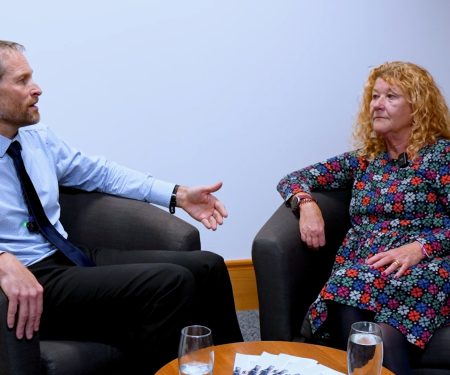
New video resource launched to support domestic abuse victims through the criminal justice system



24th November 2025
Serious Violence and Organised Crime
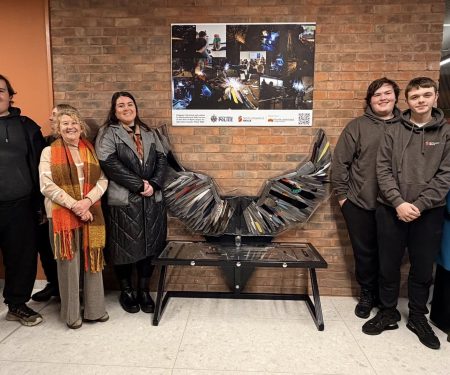
Students create impactful bench in memory of those lost to knife crime tragedies
Dedicated students have unveiled a lasting tribute to knife crime victims as part of a pioneering art project.
Young people studying at Northumberland Skills at the Port of Blyth have used the college’s state-of-the-art welding centre to design and produce a bench made out of confiscated or donated blunted knives.
It will now go on display at The Pavillion in Blyth for the public to see and use.
The unveiling of the bench comes during Sceptre, a week of activity across the Northumbria Police Force area to tackle knife crime and its root causes by carrying out education and engagement activity in the community.
The students have also received inputs from the Violence Reduction Unit (VRU), which is funded by the Office of the Police and Crime Commissioner for Northumbria, Susan Dungworth.
Nicky Boyle, 18, who was on the Northumberland Skills learners who worked on the bench, said: “It’s been hard work to put the bench together, but now that it’s finished it looks phenomenal. I’ve loved every second of it and I’m really proud of what we’ve produced.”
The project has the backing of a number of families who have been affected by the devastating impact of knife crime, including the loved ones of Samantha Madgin.
Samantha was aged just 18 when she was fatally stabbed in Wallsend in 2007, just months after she had given birth to her son.
Samantha’s family, including mum Alison and sister Carly, have used their heartbreak to fight tirelessly to prevent serious violent crime in the North East, setting up Samantha’s Legacy in her memory.
During the process of creating the bench, Samantha’s family have given talks to the students about the devastating impact knife crime has had on them.
Through Project Shield, which is funded by the Office of the Police and Crime Commissioner for Northumbria, the Force is committed to tackling ASB and serious violence right across the length and breadth of the communities it serves.
Alison said: “I’m quite emotional now that I’ve seen the finished bench. I’m so proud of everyone who’s put in the effort towards this, they’ve done an excellent job and they were so excited to unveil it.
“Hopefully, it’ll make people think about knife crime and lead them to have conversations with their families of the dangers of becoming involved in it.”
Superintendent Scott Cowie, of Northumbria Police’s dedicated Prevention department, said: “It’s been fantastic to see the hard work and skill that has gone into creating the bench during the past few months.
“Northumberland Skills’ learners have taken considerable time to not only design the sculpture but also put in many hours of work to complete it too.
“The project is a fitting tribute to those we have sadly lost their lives to knife crime in our region, but we also hope it acts as a serious deterrent to those thinking of arming themselves with such weapons.
“We hope it will be used as a point of reflection for people to stop and take time to think about how dangerous knives are.
“As part of our work, we believe it is vital that young people don’t just hear about knife crime but are part of the solution to solving these problems too.
“We know as police that we alone can’t prevent knife crime, which is why it’s so important that everyone plays their part in tackling this issue within society.
“We are building on the work we do to tackle and prevent knife crime each and every day in our Force area as part of Sceptre this week. Officers are carrying out warrants at addresses to arrest those suspected of knife crime and serious violence while also seizing weapons and drugs.”
As part of other activity, colleagues in the Violence Reduction Unit (VRU), which is funded by the Office of the Police and Crime Commissioner for Northumbria (OPCC), are putting on engagement sessions at schools and colleges to emphasise the dangers knife criminality.
Alongside counterparts at British Transport Police, teams are riding the rails on the region’s Metro system to spot any knife crime issues and pass on safety advice to the public.
As part of Operation Sceptre, knife surrender bins are out in place at the following stations:
Northumbria Police and Crime Commissioner Susan Dungworth said: “It’s inspiring to see young people using their skills and creativity to raise awareness and take a stand against knife crime.
“Sadly, too many families have experienced the heartbreak of losing a loved one to such senseless violence. Knives destroy lives, and the impact ripples through entire communities, which makes initiatives like this all the more important.
“By creating this bench, the students have given their community a place for reflection and a powerful reminder of the consequences of carrying a weapon – encouraging people to stop, think, and make positive choices.
“This project complements the wider work taking place across our region, during Sceptre and throughout the year, including enforcement activity led by Northumbria Police, extra patrols through Project Shield, and targeted interventions and education sessions delivered by our Violence Reduction Unit, and partners such as Samantha’s Legacy.”
She added: “Thank you to everyone involved, but most importantly the students whose hard work and creativity have brought this vision to life. Together, we are sending a clear message that there is no place for knife crime, and we will continue to build safer, stronger communities for everyone.”
Cllr Guy Renner-Thompson, Cabinet Member for Inspiring Young People at Northumberland County Council, said: “This project captures everything that education should stand for – creativity, collaboration and community impact.
“By transforming confiscated knives into a symbol of hope and remembrance, our learners have not only developed exceptional technical skills but also a deeper understanding of the difference they can make in society.
“It’s a powerful example of learning with purpose.”
Anyone who wants to report suspected knife crime can do so by sending Northumbria Police a direct message on social media or by using the live chat or report forms on the Force website.
For those unable to make contact via those ways, call 101.
In an emergency situation, always ring 999.
To report suspected criminality you can speak to the charity Crimestoppers anonymously by calling 0800 555 111.
11th December 2025
ASB and crime
“Our mission to tackle ASB is working” says PCC as Project Shield areas see 32% fall
10th December 2025
Victims and Justice
New video resource launched to support domestic abuse victims through the criminal justice system
24th November 2025
Serious Violence and Organised Crime
Students create impactful bench in memory of those lost to knife crime tragedies
HOW SAFE ARE WE? is the new vulnerability awareness package rolled out by the Northumbria Violence Reduction Unit as part of its winter safety campaign, helping more people to spot the risks and keep others safe.
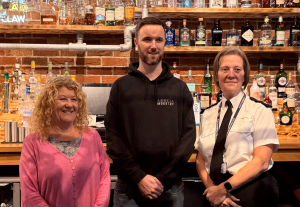
Staff from the popular South Shields venue Arbeia – which is owned by pop star Jade Thirlwall and who has backed the vulnerability training – were among the first to take part, along with colleagues from nearby pubs, clubs and food outlets.
They were joined by Police Commissioner Susan Dungworth and representatives from Northumbria Police, who praised the collective effort to make the town centre safer for everyone.
The practical sessions give bar staff, door supervisors and club managers the skills to recognise signs of vulnerability, assess risk and step in to support someone when they need it most.
The launch marks the start of a programme of activity from the Violence Reduction Unit over the winter months, in a coordinated effort to raise awareness, prevent violence and build safer, stronger communities.
Among the activity planned:
Together, these initiatives highlight the ongoing commitment of the Violence Reduction Unit and partners including Northumbria Police, and through campaigns such as Punched Out Cold, in reducing violence, protecting vulnerable people, and keeping communities safe this winter and beyond.
Northumbria Police and Crime Commissioner, Susan Dungworth said: “When I introduced my Police and Crime Plan earlier this year, I set out six key priorities that residents told me where important to them. And at the heart of it all was making sure you feel safe, such as when out in public places”
“The How Safe Are We? training is a fantastic example of how we can empower those working on the frontline of our night-time economy to recognise when someone may be vulnerable and step in to offer support.
“Keeping people safe isn’t just about enforcement, it’s about prevention, education and working closely with a range of services. Through our Violence Reduction Unit, We’re bringing partners together from police, schools, businesses, youth services and community groups, to tackle the root causes of violence, and make a long and lasting difference.
“This winter, our message is clear: whether you’re out enjoying the festivities or working in our wonderful towns and cities, we all have a role to play in preventing harm, and building safer, stronger communities for everyone.”
Backing the training, pop star and owner of Arbeia Bar, Jade Thirlwall said: “We’re really proud that Arbeia was one of the first venues to take part in this important training. Creating a safe and welcoming environment for everyone who comes through our doors has always been a top priority for us. The ‘How Safe Are We?’ sessions give our team the confidence to spot when someone might need help and to step in in the right way.”
“As part of the South Shields community, we all have a role to play in looking out for each other — especially during the busy winter months. It’s amazing to see local venues, the Violence Reduction Unit and Northumbria Police working together to keep people safe and make our town centre somewhere everyone can enjoy.”
Chief Superintendent Aelf Sampson, Area Commander for South Tyneside, said: “Our region is renowned for having a vibrant and welcoming nightlife, where those who live here and visit can enjoy a safe night out. We work collaboratively with our partners every day to ensure it stays that way – and that often involves supporting businesses operating in our busy night time economy and their frontline staff.
“One way we can enhance our collective response to keeping people safe is through specialist training, and I’m pleased we’ve been able to extend the offering to this event which is being hosted by the Arbeia Bar.
“This training across our licenced premises will support staff in identifying those who may be vulnerable in these venues, and the impact that alcohol and substances can have on a person – as well as what the appropriate next steps might look like. We also run dedicated operations year-round, as well as plain clothed and uniform patrol activity, so we can identify pockets of disorder and help those in need.
“Please remember that if you do need us, we are here for you – and a helping hand will also be available through the bar staff you interact with too.”
ENDS

11th December 2025
ASB and crime
“Our mission to tackle ASB is working” says PCC as Project Shield areas see 32% fall
10th December 2025
Victims and Justice
New video resource launched to support domestic abuse victims through the criminal justice system
24th November 2025
Serious Violence and Organised Crime
Students create impactful bench in memory of those lost to knife crime tragedies
Young people across the region have secured more than £14,000 in funding to lead a series of innovative projects designed to prevent serious violence, promote positive choices, and improve local areas.
The funding, provided through the Northumbria Violence Reduction Unit’s Local Youth Fund, places young people at the heart of decision-making – empowering them to take action on the issues that matter most to them.
From support groups to an outdoor gym, these youth-led projects are creating safer spaces, offering alternatives to crime, and showcasing the drive and creativity of young people determined to make a real and lasting difference.
One young person said it’s about: “having more safe, welcoming places to go – where you can build friendships, keep active, and have positive role models.”
Another added: “It’s important for us to come together as a community to support each other. Only through unity and kindness can we create a safer environment for everyone.”
A third said: “When there’s stuff to do and places to hang out, people are less likely to get into trouble.”
After a thorough selection process by a panel of young people, eight projects have been chosen to receive funding and turn their ideas into action:
Congratulating young people on their funding success, Northumbria Police and Crime Commissioner Susan Dungworth said: “I’m delighted to see such a wide range of projects put forward to by young people in the latest Local Youth Fund. And at the heart of it all is one clear message – the importance of having safe places to spend time with friends, have fun, and even learn something new.
“Earlier this year I launched my Police and Crime Plan, setting out a collective vision for creating safer streets, and stronger communities. I want to keep building on the progress we’re making, which is why I asked young people to tell me what matters most to them – and they’ve done exactly that.
“These projects are not only about helping to prevent serious violence, but they’re also giving young people the opportunity to develop vital life skills, boost their confidence, and take pride in bringing their ideas to life.
“The creativity and passion shown by our incredible applicants has been remarkable, and I know the selection process was incredibly tough for the panel. I’m looking forward to seeing these fantastic projects in action.”
ENDS
11th December 2025
ASB and crime
“Our mission to tackle ASB is working” says PCC as Project Shield areas see 32% fall
10th December 2025
Victims and Justice
New video resource launched to support domestic abuse victims through the criminal justice system
24th November 2025
Serious Violence and Organised Crime
Students create impactful bench in memory of those lost to knife crime tragedies
Police Commissioner Susan Dungworth has today announced the return of the Local Youth Fund, giving more young people the chance to put forward innovative ideas on how serious violence and knife crime is prevented.
With £12,000 available for youth-led projects, this initiative aims to harness the creativity and insight of young people, in a bid to create safer streets and stronger communities.
The Violence Reduction Unit’s Local Youth Fund invites young people to share their views and experiences of serious violence, and propose forward-thinking solutions, to be in with a chance of receiving a share of the funding.
The initiative provides young people with a platform to have their voices heard, as they help shape the future of their local areas.
In previous rounds, the fund has supported over 80 projects, directly benefitting more than 5,200 young people, who have seen their ideas brought to life with projects ranging from sports activities, youth-led campaigns and drop in sessions.
This highlights the creativity and dedication of young people across the region, and through the return of the fund, it seeks new ideas to continue making a positive impact.
Northumbria Police and Crime Commissioner, Susan Dungworth said: “I am committed to making our streets safer and communities stronger – but to achieve this, it is essential that our young people are involved in key decisions made about their local areas.”
“In doing so, we not only address the issue of violence head on, but also empower our young people to take an active role in shaping the future of local areas. That’s why the Violence Reduction Unit’s Local Youth Fund is a pivotal step in giving them the chance to make a real difference.”
“I’m delighted to announce the return of the fund, giving more young people the chance to share their vision, so if you have a creative idea, apply now to bring your project to life. I am looking forward to hearing your ideas, and to seeing them in action soon.”
Young people are now encouraged to apply for funding, with the support of community and youth-based organisations, by submitting project proposals that they think will prevent serious violence and knife crime in their local areas.
When the fund closes on Monday 13th October 2025, a panel of young people will review all bids, before selecting one successful project per local authority area to receive a share of the funding.
For more information about the Local Youth Fund, and how to apply, visit the Northumbria Violence Reduction Unit website.
11th December 2025
ASB and crime
“Our mission to tackle ASB is working” says PCC as Project Shield areas see 32% fall
10th December 2025
Victims and Justice
New video resource launched to support domestic abuse victims through the criminal justice system
24th November 2025
Serious Violence and Organised Crime
Students create impactful bench in memory of those lost to knife crime tragedies
More than 250,000 students across the region have now taken part in Pol-Ed, an innovative educational programme designed to help young people better understand the law, build healthy relationships, and stay safe from harm.
Developed in partnership with teachers and policing professionals, and fully aligned with the national PSHE curriculum, Pol-Ed equips students with the knowledge, skills and confidence to make informed, positive choices in their everyday lives.
Thanks to continued funding and support from the Northumbria Violence Reduction Unit and partners, the programme is available free of charge, and has already been adopted by over 500 schools from across the force area, reflecting a growing demand for more preventative education.
In the last year, more than 4,500 Pol-Ed lessons and assemblies were delivered, covering a wide range of topics such as consent, healthy relationships, online safety, bullying, exploitation, and the consequences of criminal behaviour.
Pol-Ed is designed to encourage open and honest discussions in both primary and secondary school settings, helping to breakdown barriers, challenge misconceptions, and support young people to make safer decisions, while also helping practitioners identify those at risk earlier.
The initiative complements the wider awareness work delivered by the Northumbria Violence Reduction Unit and Northumbria Police Education Teams, ensuring more young people not only recognise the risks but also feel empowered to seek help when they need it.
Northumbria Police and Crime Commissioner, Susan Dungworth said: “Communities have told me that they want to see more done to tackle serious and organised crime, which is why it’s a key priority in my police and crime plan. But to truly make a difference, we need to understand and address the underlying causes of violence, preventing crime before it even starts.
“That’s why reaching young people as early as possible is so important. We all want our children to grow up feeling safe, supported and confident in making the right choices, and Pol-Ed is one of the tools helping us achieve that.
“Having already reached over 250,000 students, this programme is making a real and lasting impact in our communities. It’s helping young people better understand the law, build healthy relationships, and recognise when something doesn’t feel right, empowering them to speak up and stay safe.
“But Pol-Ed isn’t just about delivering lessons and assemblies. It’s about having those honest conversations early on, and ensuring young people feel heard and supported. That’s how we build safer, stronger communities for everyone.
“My thanks to all the schools, teachers, and students who have already utilised these fantastic resources. Through ongoing support from the Northumbria Violence Reduction, Pol-Ed remains free to use, and I’d love to see every school in our region get involved.”
Sergeant Simon Reid, Problem Solving and Early Intervention at Northumbria Police, said: “Since May 2024, in partnership with the Office of the Police and Crime Commissioner and the Violence Reduction Unit, we have been promoting Pol-Ed to all schools within our Force area. This includes encouraging our education partners to sign up and make use of the excellent resources available to them through the programme.
“Early intervention is a vital tool in our fight against crime and this tactic helps us to prevent people being harmed while also reducing the demands upon our public services. So far, 78 per cent of schools in our area have signed up to use Pol-Ed, with 4,513 lessons being delivered to a total of 251,080 young people.
“These are excellent figures and we are confident that the sessions are having a significant positive impact upon those taking part by giving them the knowledge they need to lead the best lives possible.”
Catherine Patrick, Assistant Head of Health Education at George Stephenson High School said: “We are absolutely delighted to be using the new Pol-Ed resources. They have quickly become an invaluable part of our PSHE curriculum. We particularly appreciate how the programme aligns with the PSHE Association guidelines while also offering its own age appropriate and well-structured content.”
“The inclusive activities, such as Think-Pair-Share and other interactive elements, really engage our students and encourage meaningful discussion. It’s been wonderful to see how these resources help build our students’ confidence, support their understanding of personal safety, and foster a positive and respectful school environment and within the wider community. The clarity, accessibility, and relevance of the topics make them an essential tool for modern PSHE delivery.”
Schools interested in signing up or learning more about Pol-Ed should contact Northumbria Police by email to school.liaison@northumbria.police.uk.
ENDS
11th December 2025
ASB and crime
“Our mission to tackle ASB is working” says PCC as Project Shield areas see 32% fall
10th December 2025
Victims and Justice
New video resource launched to support domestic abuse victims through the criminal justice system
24th November 2025
Serious Violence and Organised Crime
Students create impactful bench in memory of those lost to knife crime tragedies